


In the modern era of smart cities and advanced technology, the question of whether LED street lamps can be controlled remotely is not just a technical curiosity but a significant consideration for urban planners, municipalities, and property managers. As a leading supplier of LED street lamps, I've witnessed firsthand the transformative power of remote control technology in the lighting industry. In this blog, I'll explore the feasibility, benefits, and implementation of remotely controlled LED street lamps.
The Feasibility of Remote Control for LED Street Lamps
The short answer is yes, LED street lamps can indeed be controlled remotely. Thanks to the integration of Internet of Things (IoT) technology, LED street lamps can be connected to a central management system via wireless communication protocols such as ZigBee, LoRa, or Wi-Fi. This connectivity allows for real - time monitoring and control of individual lamps or groups of lamps from a remote location.
The key components that enable remote control include smart drivers, sensors, and communication modules. Smart drivers are designed to adjust the power output of the LED lamp, which in turn controls the brightness. Sensors, such as motion sensors and ambient light sensors, can collect data about the surrounding environment and send it to the central management system. Communication modules act as the bridge between the lamp and the management system, transmitting data and receiving control commands.
Benefits of Remotely Controlled LED Street Lamps
Energy Efficiency
One of the most significant advantages of remotely controlled LED street lamps is energy savings. With the ability to adjust the brightness of the lamps based on real - time conditions, such as the time of day, traffic volume, or ambient light levels, energy consumption can be significantly reduced. For example, during late - night hours when there is less traffic, the lamps can be dimmed to a lower brightness level, saving electricity without compromising safety.
Cost Savings
In addition to energy savings, remote control technology can also lead to cost savings in maintenance. By monitoring the status of each lamp in real - time, maintenance teams can quickly identify and address issues such as lamp failures or malfunctions. This proactive approach reduces the need for regular manual inspections and minimizes downtime, resulting in lower maintenance costs.
Improved Safety and Security
Remotely controlled LED street lamps can enhance safety and security in public areas. Motion sensors can detect the presence of pedestrians or vehicles and increase the brightness of the lamps accordingly. This not only provides better visibility for people on the streets but also acts as a deterrent to criminal activity.
Environmental Sustainability
By reducing energy consumption, remotely controlled LED street lamps contribute to environmental sustainability. Lower energy usage means fewer greenhouse gas emissions, making them a more eco - friendly lighting solution compared to Traditional Street Lights.
Implementation of Remote Control Systems
Implementing a remote control system for LED street lamps involves several steps. First, the existing street lighting infrastructure needs to be evaluated to determine the feasibility of upgrading to smart lamps. This includes assessing the electrical system, the mounting locations of the lamps, and the availability of a reliable communication network.
Once the feasibility study is complete, the next step is to select the appropriate smart LED street lamps and communication technology. There are many options available on the market, each with its own features and capabilities. As a Led Street Lamp supplier, we offer a range of smart LED street lamps that are compatible with different communication protocols and management systems.

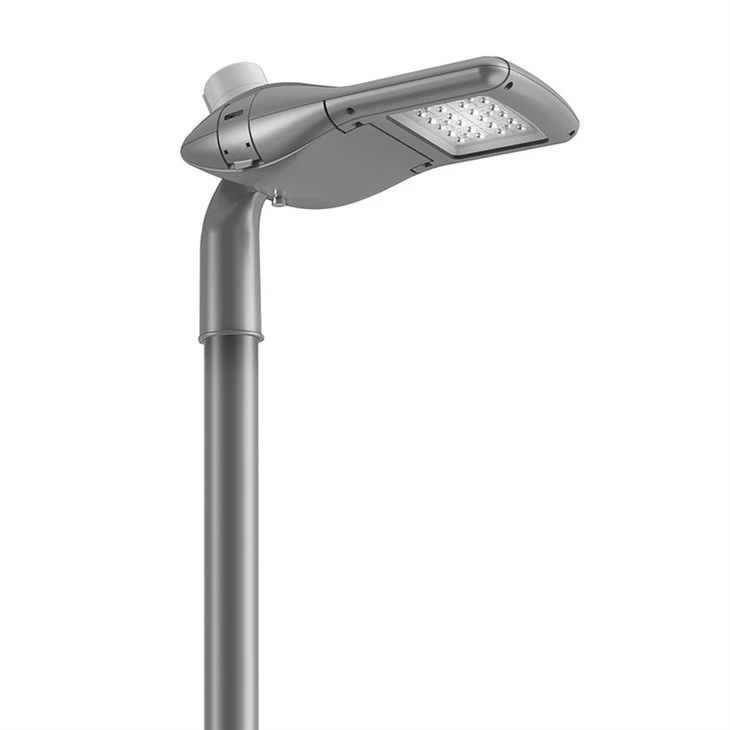
After the lamps are installed, the central management system needs to be set up. This involves configuring the software, establishing user accounts, and defining the control parameters. The management system allows users to monitor the status of the lamps, adjust the brightness levels, and generate reports on energy consumption and maintenance needs.
Case Studies
Many cities around the world have already implemented remotely controlled LED street lighting systems and have reported significant benefits. For example, in a large urban area, the installation of smart LED street lamps with remote control technology resulted in a 30% reduction in energy consumption and a 20% decrease in maintenance costs. The ability to adjust the brightness of the lamps based on traffic patterns also improved safety and reduced complaints from residents about light pollution.
Considerations for Buyers
When considering purchasing remotely controlled LED street lamps, there are several factors to keep in mind. First, ensure that the lamps are compatible with your existing infrastructure and communication network. Second, look for lamps that are durable and weather - resistant, especially if they will be installed outdoors. Our Outdoor Waterproof Led Street Light is designed to withstand harsh environmental conditions and provide reliable performance.
Third, consider the features and functionality of the remote control system. Look for a system that is easy to use, offers real - time monitoring, and allows for flexible control options. Finally, choose a supplier with a good reputation and a track record of providing high - quality products and excellent customer service.
Conclusion
In conclusion, remotely controlled LED street lamps offer a range of benefits, including energy efficiency, cost savings, improved safety, and environmental sustainability. With the advancements in IoT technology, the implementation of these systems has become more accessible and cost - effective. As a supplier of LED street lamps, we are committed to providing our customers with the latest technology and solutions to meet their lighting needs.
If you are interested in learning more about our remotely controlled LED street lamps or would like to discuss a potential purchase, please feel free to contact us. We look forward to working with you to create a smarter, more sustainable lighting solution for your community.
References
- "Smart Lighting for Smart Cities: The Future of Street Lighting" - Lighting Research Center
- "Energy Efficiency and Cost Savings of LED Street Lighting Systems" - International Energy Agency
- "IoT - Enabled LED Street Lighting: A Review of Technologies and Applications" - Journal of Electrical and Electronics Engineering