


Hey there! As a supplier of Traditional Street Lights, I've been getting a lot of questions lately about the light spread of these classic lighting fixtures. So, I thought I'd take a moment to break it down for you and explain what it is, why it matters, and how it compares to other types of street lights.
What is Light Spread?
First things first, let's talk about what light spread actually means. Light spread refers to the area that is illuminated by a light source. In the case of street lights, it's the area on the ground that gets lit up by the light fixture above. This area can vary depending on a few different factors, such as the type of light source, the height of the light fixture, and the angle at which the light is being emitted.
The Light Spread of Traditional Street Lights
Traditional street lights typically use high-pressure sodium (HPS) or metal halide (MH) bulbs. These bulbs are known for their bright, yellowish light, which can be effective at illuminating large areas. When it comes to light spread, traditional street lights tend to have a wide, uniform spread. This means that the light is evenly distributed over a large area, which is great for lighting up streets, sidewalks, and parking lots.
One of the reasons why traditional street lights have such a wide light spread is because of the way the bulbs are designed. HPS and MH bulbs emit light in all directions, which means that the light can spread out over a large area without being focused in one particular direction. Additionally, traditional street lights are often mounted on tall poles, which allows the light to reach a greater distance and cover a larger area.
Why Light Spread Matters
So, why does light spread matter? Well, there are a few reasons. First and foremost, light spread is important for safety. When streets and sidewalks are well-lit, it's easier for pedestrians and drivers to see where they're going, which can help prevent accidents. Additionally, a wide light spread can help deter crime by making it harder for criminals to hide in the shadows.
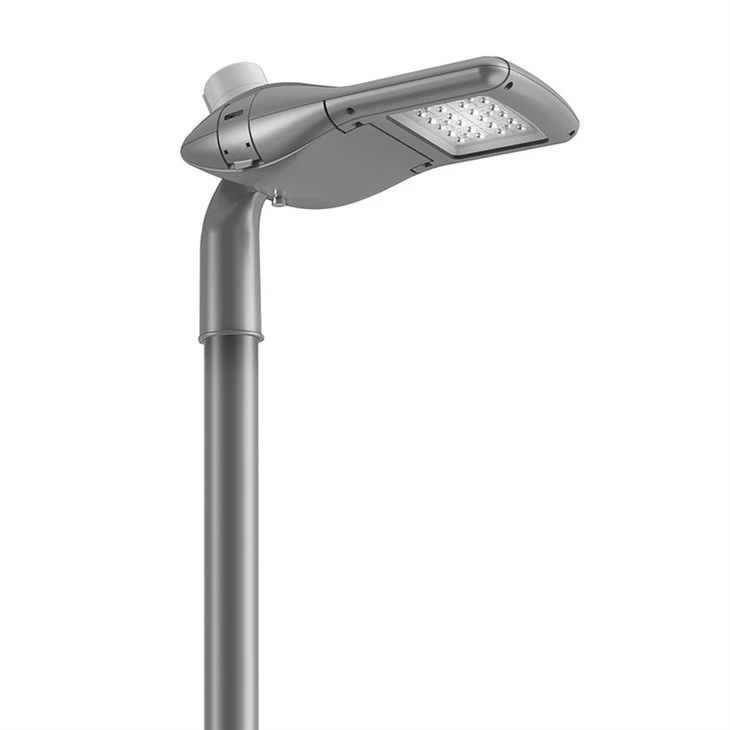

Light spread is also important for energy efficiency. When a light fixture has a wide light spread, it can cover a larger area with less light, which means that you need fewer fixtures to achieve the same level of illumination. This can help reduce energy consumption and lower your electricity bills.
Comparing Traditional Street Lights to LED Street Lights
In recent years, LED street lights have become increasingly popular as an alternative to traditional street lights. LED lights are known for their energy efficiency, long lifespan, and bright, white light. When it comes to light spread, LED street lights tend to have a more focused, directional spread compared to traditional street lights.
This means that LED lights can be more effective at illuminating specific areas, such as crosswalks or intersections. However, because the light is more focused, it may not cover as large of an area as traditional street lights. This can be a disadvantage in some situations, such as when you need to light up a large parking lot or a long stretch of road.
That being said, LED street lights have come a long way in recent years, and many manufacturers are now offering LED lights with a wider light spread. Additionally, LED lights can be more easily customized to meet specific lighting needs, which means that you can choose a light fixture with the right light spread for your application.
Choosing the Right Street Lights for Your Project
When it comes to choosing the right street lights for your project, there are a few factors to consider. First and foremost, you need to think about the specific lighting needs of your project. Do you need to light up a large area, such as a parking lot or a sports field? Or do you need to focus the light on a specific area, such as a crosswalk or an entrance?
You also need to consider the energy efficiency of the light fixtures. LED street lights are generally more energy-efficient than traditional street lights, which can help you save money on your electricity bills in the long run. However, LED lights can be more expensive upfront, so you need to weigh the cost savings against the initial investment.
Another factor to consider is the lifespan of the light fixtures. Traditional street lights typically have a shorter lifespan than LED street lights, which means that you may need to replace them more frequently. This can add to the overall cost of your project, so it's important to factor this into your decision-making process.
Conclusion
In conclusion, the light spread of traditional street lights is an important factor to consider when choosing the right lighting fixtures for your project. Traditional street lights tend to have a wide, uniform spread, which makes them effective at illuminating large areas. However, LED street lights are becoming increasingly popular due to their energy efficiency, long lifespan, and customizable light spread.
If you're in the market for street lights, I encourage you to do your research and compare the different options available. And if you have any questions or need help choosing the right lighting fixtures for your project, don't hesitate to [reach out to me]. I'm always happy to help!
References
- "Lighting Basics: Understanding Light Distribution." Lighting Research Center.
- "LED Street Lights vs. Traditional Street Lights." Energy.gov.
- "Choosing the Right Street Lighting for Your Community." International Dark-Sky Association.