


Hey there! As a supplier of LED flood lights, I often get asked, "Do LED flood lights require a transformer?" Well, let's dive right into this topic and clear up any confusion.

First off, let's understand what a transformer does. A transformer is a device that changes the voltage of an electrical current. It can step up the voltage (increase it) or step it down (decrease it). In the context of LED flood lights, the main reason we might need a transformer is to match the voltage requirements of the LED lights with the available power source.
Most LED flood lights are designed to work at low voltages, typically around 12V or 24V. However, the standard household electrical supply in many countries is 110V or 220V. That's a huge difference! So, if you want to use an LED flood light that operates at 12V or 24V with a 110V or 220V power source, you'll definitely need a transformer to step down the voltage.
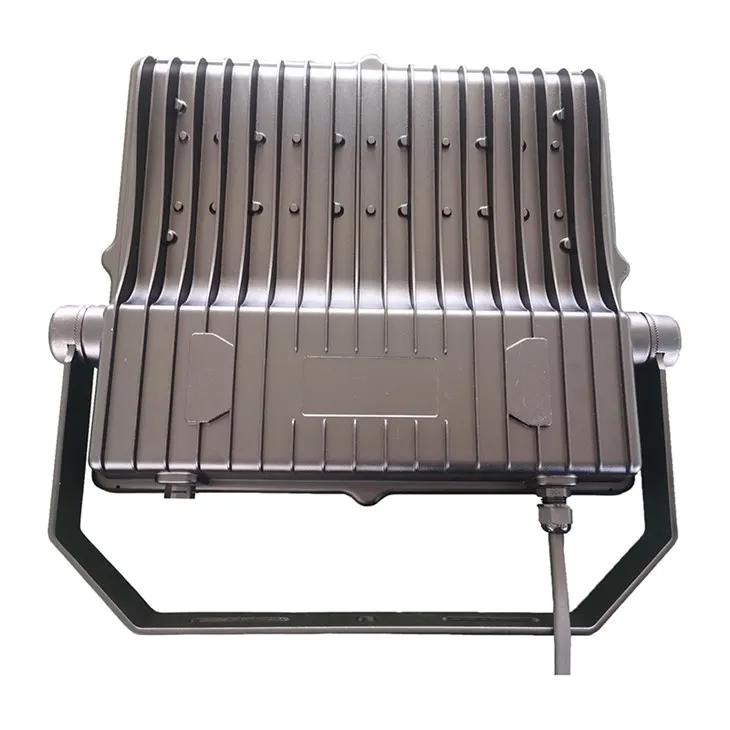
For example, let's say you have a Adjustable Floodlight. This type of flood light is great for illuminating different areas at various angles. But if it's a 12V LED flood light and you're plugging it into a 110V outlet, without a transformer, the high voltage will likely damage the LED light very quickly. The transformer acts as a safety net, ensuring that the LED flood light receives the correct amount of voltage to function properly and last a long time.
On the other hand, there are some LED flood lights that are designed to work directly with the standard household voltage. These are usually referred to as "line voltage" LED flood lights. They have built - in components that can handle the 110V or 220V power supply without the need for an external transformer. For instance, our Waterproof Led Flood Lamp comes in both low - voltage and line - voltage options. If you choose the line - voltage version, you can simply plug it into a regular outlet and start using it right away.
So, how do you know if your LED flood light needs a transformer? Well, the first thing to do is check the product specifications. Most LED flood lights will clearly state their voltage requirements on the packaging or in the user manual. If it says something like "12V" or "24V", you'll need a transformer. If it says "110V - 220V", then it's a line - voltage light and you won't need an external transformer.
Another factor to consider is the installation location. If you're installing the LED flood light in an area where it's difficult to access or where running extra wiring for a transformer is not practical, a line - voltage LED flood light might be a better choice. But if you're looking for more flexibility in terms of power distribution and you don't mind the extra step of installing a transformer, a low - voltage LED flood light can be a great option.
Let's talk a bit about the types of transformers available for LED flood lights. There are two main types: magnetic transformers and electronic transformers. Magnetic transformers are the older technology. They're generally larger, heavier, and less energy - efficient compared to electronic transformers. Electronic transformers, on the other hand, are smaller, lighter, and more energy - efficient. They also tend to have better voltage regulation, which means they can provide a more stable voltage to the LED flood light.
When choosing a transformer for your LED flood light, make sure it has the right wattage rating. The wattage of the transformer should be equal to or greater than the total wattage of the LED flood lights you're connecting to it. If the transformer's wattage is too low, it won't be able to supply enough power to the LED lights, and they might not work properly or could even be damaged.
Now, let's discuss the installation process. Installing a transformer for an LED flood light is not overly complicated, but it does require some basic electrical knowledge. First, you'll need to turn off the power supply at the breaker box to avoid any electrical shocks. Then, you'll connect the input wires of the transformer to the power source. Make sure to follow the color - coding of the wires (usually black for hot, white for neutral, and green or bare copper for ground). Next, connect the output wires of the transformer to the LED flood light. Again, pay attention to the wire colors and make sure the connections are secure.
If you're not comfortable doing the electrical installation yourself, it's always a good idea to hire a professional electrician. They have the skills and experience to ensure that the transformer and LED flood light are installed safely and correctly.
In conclusion, whether an LED flood light requires a transformer depends on its voltage requirements. Low - voltage LED flood lights need a transformer to step down the voltage from the standard household supply, while line - voltage LED flood lights can work directly with the standard voltage. By understanding these concepts and choosing the right transformer, you can ensure that your LED flood lights work efficiently and last a long time.
If you're in the market for LED flood lights or have any questions about transformers and LED flood light installation, don't hesitate to reach out. We're here to help you make the best choice for your lighting needs. Whether you're looking for an Adjustable Floodlight for your backyard or a Waterproof Led Flood Lamp for your outdoor commercial space, we've got you covered. Let's start a conversation and find the perfect LED flood lighting solution for you!
References
- General knowledge of electrical engineering principles regarding transformers and LED lighting.
- Product specifications and user manuals of LED flood lights and transformers.