


Can PV System Batteries Be Used in Cold Climates?
As a supplier of PV system batteries, I've received numerous inquiries about the viability of using our batteries in cold climates. With winter approaching and regions experiencing frigid temperatures, it's a concern that merits a detailed exploration. In this blog, I'll draw on industry knowledge and our own product expertise to answer the question: Can PV system batteries be used in cold climates?
How Cold Temperatures Affect PV System Batteries
To understand the performance of PV system batteries in cold climates, we must first grasp how low temperatures impact battery chemistry. Most PV system batteries use lead - acid or lithium - ion technologies, and each reacts differently to cold.
Lead - Acid Batteries (Gel and Flooded)
Lead - acid batteries are a popular choice for PV systems due to their reliability and cost - effectiveness. Gel batteries, in particular, are sealed, maintenance - free, and offer deep - cycle capabilities. However, in cold weather, the chemical reactions within lead - acid batteries slow down significantly.
When the temperature drops, the electrolyte in lead - acid batteries thickens. This reduction in fluidity hinders the movement of ions between the battery's electrodes, leading to a decrease in battery capacity. For instance, a lead - acid battery that operates at 100% capacity at 25°C (77°F) may only deliver around 50% of its rated capacity at - 20°C (- 4°F).
Another issue with lead - acid batteries in cold climates is the increased risk of sulfation. Sulfation occurs when lead sulfate crystals form on the battery plates during discharge. Cold temperatures slow down the recharging process, making it more difficult to break down these crystals. Over time, sulfation can permanently damage the battery, reducing its lifespan and performance.
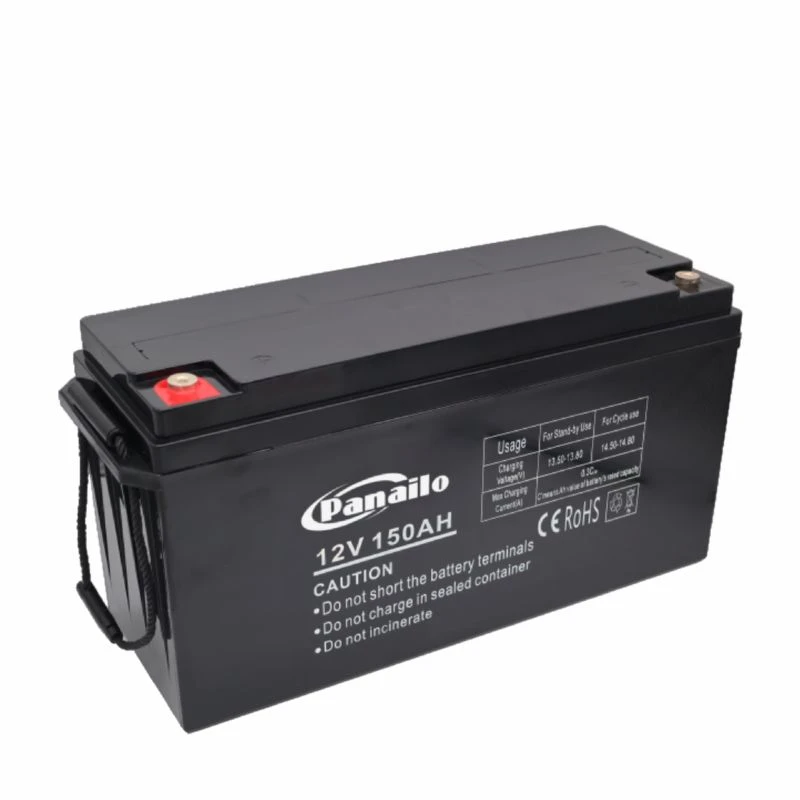
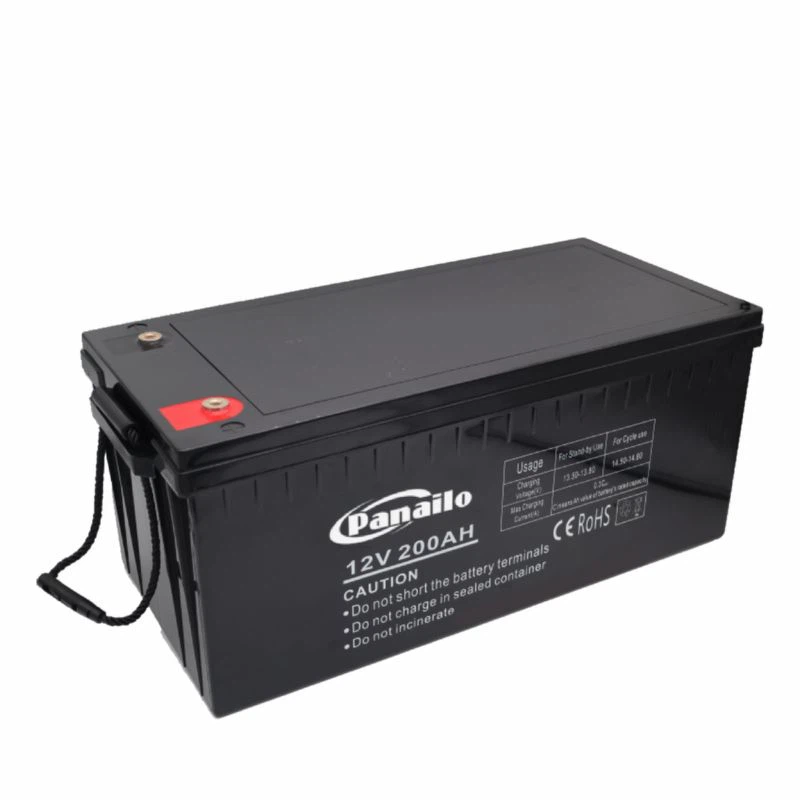
If you're interested in gel batteries for your PV system, we offer 120ah - 12v Gel Battery for Solar System, 150ah - 12v Gel Battery for Solar System and 200ah - 12v Gel Battery for Solar System, which are designed to withstand a wide range of temperatures.
Lithium - Ion Batteries
Lithium - ion batteries are known for their high energy density, long lifespan, and excellent performance in various conditions. Nevertheless, cold temperatures also pose challenges.
At low temperatures, the lithium - ion conduction rate within the battery slows down. This results in a decrease in the battery's ability to charge and discharge efficiently. Charging a lithium - ion battery at extremely low temperatures can be particularly dangerous, as it may lead to lithium plating on the anode. Lithium plating can cause short - circuits, reduce battery capacity, and in severe cases, pose a fire hazard.
However, modern lithium - ion batteries are often equipped with battery management systems (BMS) that prevent charging at unsafe temperatures. This helps to protect the battery from damage, but it also means that the battery may not be usable in extremely cold conditions without additional heating.
Strategies for Using PV System Batteries in Cold Climates
Although cold temperatures present challenges, there are several strategies that can enable PV system batteries to function effectively in cold climates.
Battery Insulation
Insulating the batteries can help to maintain a more stable temperature. This can be as simple as using insulating blankets or constructing an insulated battery enclosure. By reducing the heat loss to the surrounding environment, insulation can keep the battery temperature within an acceptable range, improving its performance and lifespan.
Heating Systems
For more extreme cold conditions, heating systems can be used to warm the batteries. These can be electric heaters, heat exchangers, or even self - heating battery designs. A heating system can ensure that the battery temperature remains above the critical point where performance starts to degrade significantly. However, it's important to note that heating systems consume energy, which needs to be factored into the overall system design.
Proper Sizing
When designing a PV system for a cold climate, it's crucial to oversize the battery bank. Since the battery capacity decreases in cold weather, having a larger battery bank ensures that there is sufficient energy storage to meet the load requirements during the winter months. This may increase the initial investment, but it can prevent power outages and extend the battery's lifespan.
Battery Selection
Some batteries are specifically designed to perform better in cold climates. For example, certain lithium - ion chemistries have a lower freezing point and better low - temperature performance. Similarly, some gel batteries are engineered to resist the effects of cold more effectively. As a supplier, we can help you select the most suitable battery for your specific climate and application.
Case Studies: PV System Batteries in Cold Climates
There are numerous real - world examples of PV systems operating successfully in cold climates.
In northern Canada, a remote off - grid cabin relies on a PV system with a battery bank to meet its energy needs. The owner initially installed a standard lead - acid battery bank, but found that the performance deteriorated significantly during the cold winter months. After upgrading to a lithium - ion battery bank with a built - in heating system and better insulation, the system's performance improved dramatically. The cabin now has a reliable power supply throughout the year.
In Scandinavia, a large - scale solar farm uses gel batteries in its energy storage system. The batteries are housed in insulated enclosures with a passive heating system that uses waste heat from the nearby equipment. This setup has allowed the solar farm to store and distribute energy efficiently even during the coldest Scandinavian winters.
Conclusion
In conclusion, PV system batteries can be used in cold climates, but it requires careful consideration and proper planning. Understanding the impact of cold temperatures on battery chemistry, implementing strategies to mitigate these effects, and selecting the right battery for the application are all crucial steps.
As a supplier of PV system batteries, we are committed to providing our customers with high - quality products and expert advice. We have a wide range of batteries suitable for different climates and applications, including those we've linked to earlier. Whether you're in a mild cold region or an extremely frigid area, we can help you find the perfect battery solution for your PV system.
If you're interested in learning more about our PV system batteries or have questions about using them in cold climates, please reach out. We're here to assist you through every step of the procurement process and ensure that your PV system operates efficiently and reliably, regardless of the temperature.
References
- "Handbook of Energy Storage" by Jan Kawalkiewicz
- Journal of Power Sources: Various articles on battery performance in different temperatures
- Manufacturer data sheets for lead - acid and lithium - ion batteries