


Are adjustable floodlights resistant to UV rays? This is a question that often comes up among customers, especially those who plan to use these lights outdoors. As a supplier of Adjustable Floodlight, I've delved deep into this topic to provide you with accurate and comprehensive information.
Understanding UV Rays and Their Impact
Before we discuss the UV resistance of adjustable floodlights, it's essential to understand what UV rays are and how they can affect materials. Ultraviolet (UV) rays are a type of electromagnetic radiation with a wavelength shorter than that of visible light but longer than X - rays. They are divided into three categories: UVA, UVB, and UVC. UVC is mostly absorbed by the Earth's atmosphere, but UVA and UVB can reach the Earth's surface and cause various problems.
UV rays can cause damage to many materials over time. They can break down chemical bonds in plastics, rubber, and paints, leading to discoloration, cracking, and loss of structural integrity. For outdoor lighting fixtures, this means that components such as the housing, lenses, and seals can be compromised, which may affect the performance and lifespan of the floodlights.
The Construction of Adjustable Floodlights and UV Resistance
Adjustable floodlights are designed to be versatile and suitable for a wide range of applications, including outdoor use. The construction of these lights plays a crucial role in determining their UV resistance.
Housing Materials
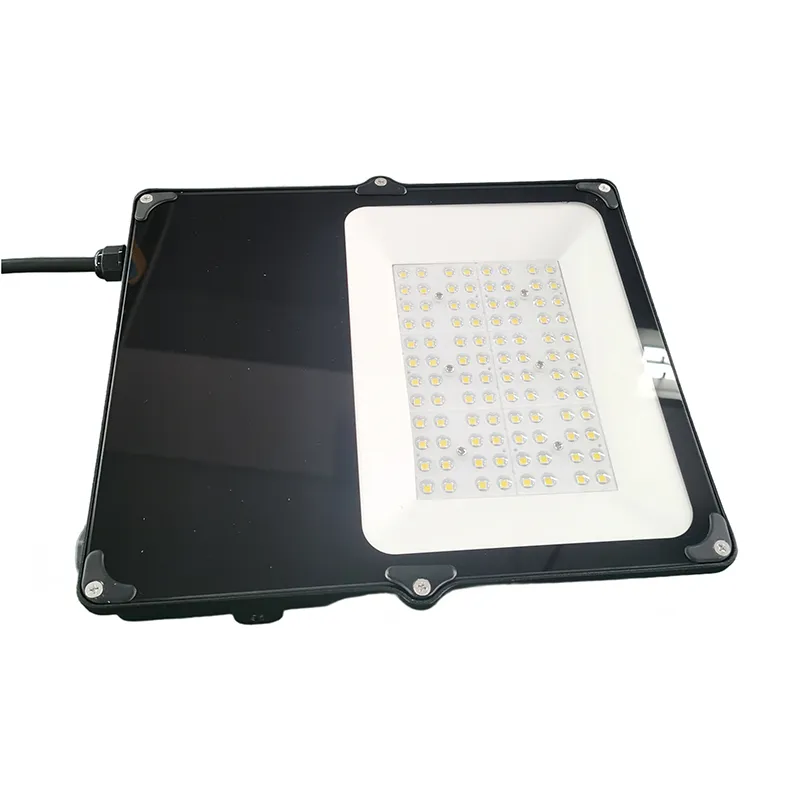
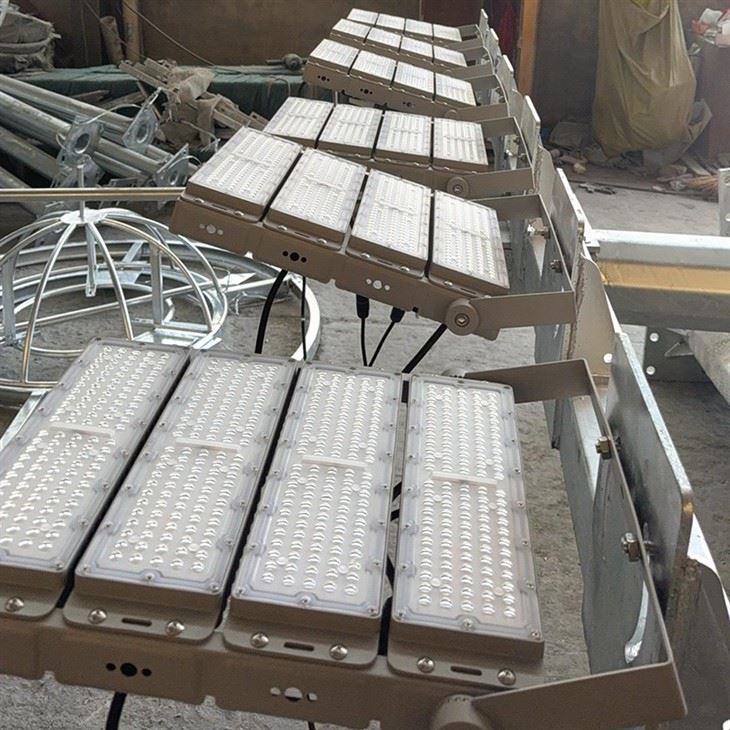
Most adjustable floodlights have a housing made of either plastic or metal. Plastic housings are popular due to their lightweight, cost - effectiveness, and ease of molding into various shapes. However, not all plastics are created equal when it comes to UV resistance.
Some plastics, such as polycarbonate, are known for their excellent UV resistance. Polycarbonate can withstand long - term exposure to UV rays without significant degradation. It maintains its strength, clarity, and color stability. On the other hand, cheaper plastics may contain additives that can break down under UV exposure, leading to yellowing and brittleness.
Metal housings, such as aluminum, are generally more resistant to UV rays. Aluminum is a durable material that doesn't absorb UV radiation. It forms a natural oxide layer on its surface, which provides some protection against environmental factors, including UV. However, the finish on the metal can also be affected by UV. For example, a painted metal housing may fade or peel over time if the paint is not UV - resistant.
Lenses
The lenses of adjustable floodlights are also exposed to UV rays, especially if the lights are used outdoors. Similar to the housing, the material of the lens matters. Acrylic lenses are commonly used in floodlights. They are lightweight and have good optical properties. However, they can be prone to scratching and may degrade under UV exposure.
Silicone lenses, on the other hand, are more UV - resistant. Silicone has a high resistance to UV radiation and can maintain its optical clarity and flexibility over time. Some high - end adjustable floodlights use silicone lenses to ensure long - term performance in outdoor environments.
Seals and Gaskets
Seals and gaskets are important components that protect the internal electronics of the floodlights from moisture and dust. They are often made of rubber or elastomeric materials. These materials can be sensitive to UV rays. UV exposure can cause rubber to harden, crack, and lose its elasticity, which can compromise the waterproof and dust - proof performance of the floodlights.
To address this issue, manufacturers may use UV - stabilized rubber materials or apply protective coatings to the seals and gaskets. This helps to extend their lifespan and maintain the integrity of the floodlight's enclosure.
Testing and Certification for UV Resistance
To ensure that adjustable floodlights are truly resistant to UV rays, they need to undergo testing. There are several industry standards and testing methods for UV resistance.
One common test is the Xenon arc lamp test. In this test, the floodlight samples are exposed to a simulated sunlight environment using a xenon arc lamp. The lamp emits a spectrum of light that includes UV rays, similar to natural sunlight. The samples are exposed for a specific period, and then evaluated for changes in appearance, such as color fading, cracking, or loss of gloss, as well as changes in physical properties, such as hardness and tensile strength.
Another test is the QUV test, which uses fluorescent UV lamps to accelerate the aging process. This test can simulate years of outdoor exposure in a relatively short period. Products that pass these tests are more likely to have good UV resistance in real - world applications.
Some adjustable floodlights may also carry certifications related to UV resistance. For example, the IP (Ingress Protection) rating system not only indicates the protection against dust and water but can also imply some level of environmental resistance. A high - IP rated floodlight is more likely to be well - protected against UV and other environmental factors.
Benefits of UV - Resistant Adjustable Floodlights
Investing in UV - resistant adjustable floodlights offers several benefits.
Longevity
UV - resistant floodlights have a longer lifespan. Since the components are less likely to degrade due to UV exposure, the lights can continue to function properly for a longer time. This reduces the need for frequent replacements, saving both time and money in the long run.
Performance
The performance of the floodlights is also maintained over time. For example, the lenses of UV - resistant floodlights can maintain their optical clarity, ensuring that the light output remains consistent. The seals and gaskets also keep the internal electronics protected, preventing moisture and dust from entering and causing malfunctions.
Aesthetics
UV - resistant floodlights retain their appearance better. They don't fade or discolor, which is important for applications where the visual appeal of the lighting is a factor. Whether it's for illuminating a commercial building facade or a residential garden, the floodlights will look good for years to come.
Our Adjustable Floodlights and UV Resistance
As a supplier of Adjustable Floodlight, we take UV resistance seriously. Our floodlights are designed and manufactured with high - quality materials.
We use polycarbonate or UV - stabilized plastics for the housings, which provide excellent protection against UV rays. The lenses are made of either high - quality acrylic or silicone, depending on the model, to ensure long - term optical performance. Our seals and gaskets are also made of UV - resistant rubber materials, and we apply protective coatings to further enhance their durability.
All our floodlights undergo rigorous testing to meet industry standards for UV resistance. We are committed to providing our customers with products that can withstand the harsh outdoor environment and provide reliable lighting for years.
In addition to UV resistance, our adjustable floodlights also offer other features such as high energy efficiency, adjustable beam angles, and Waterproof Led Flood Lamp capabilities. They are suitable for a wide range of applications, including outdoor security lighting, landscape lighting, and architectural lighting.
Conclusion
In conclusion, adjustable floodlights can be resistant to UV rays, but it depends on the construction, materials, and manufacturing processes. By choosing high - quality floodlights with good UV resistance, you can ensure that your lighting investment will last and perform well in outdoor environments.
If you are interested in our adjustable floodlights or have any questions about UV resistance or other features, please feel free to reach out to us. We are more than happy to discuss your specific needs and provide you with the best lighting solutions. Contact us today to start the procurement process and bring high - quality, UV - resistant lighting to your project.
References
- ASTM G155 - Standard Practice for Operating Xenon Arc Light Apparatus for Exposure of Non - metallic Materials
- ASTM D4329 - Standard Practice for Fluorescent Ultraviolet (UV) Lamp Apparatus for Exposure of Non - metallic Materials
- IEC 60529 - Degrees of protection provided by enclosures (IP Code)