


As a supplier of LED lawn lights, one of the most frequently asked questions I encounter is whether these lights need direct sunlight to charge. This is a crucial query for both homeowners and landscape designers, as it directly impacts the placement and effectiveness of these energy - efficient lighting solutions. In this blog, I'll delve into the science behind solar - powered LED lawn lights and clarify the sunlight requirements for their charging process.
How Solar - Powered LED Lawn Lights Work
Before we discuss sunlight requirements, it's essential to understand the basic working principle of solar - powered LED lawn lights. These lights are equipped with photovoltaic (PV) cells, commonly known as solar panels. When sunlight hits these PV cells, it excites electrons within the semiconductor material of the panel. This excitation creates an electric current through the photovoltaic effect. The generated electricity is then stored in a rechargeable battery, typically a nickel - metal hydride (NiMH) or lithium - ion battery. When night falls, the battery powers the LED bulbs, providing illumination for your lawn or garden.
The Role of Sunlight in Charging
Sunlight is the primary energy source for solar - powered LED lawn lights. However, direct sunlight is not an absolute necessity for charging. PV cells can convert both direct and indirect sunlight into electricity. Direct sunlight, which occurs when the sun's rays hit the solar panel without any obstruction, provides the highest intensity of light and thus generates the most electricity. In ideal conditions, a solar panel exposed to direct sunlight for 6 - 8 hours can fully charge the battery of a typical LED lawn light.
On the other hand, indirect sunlight includes diffused light on cloudy days, light that has passed through foliage, or light reflected from nearby surfaces. While the intensity of indirect sunlight is lower than that of direct sunlight, PV cells can still absorb and convert this light into electricity. For instance, on a cloudy day, a solar panel can still generate about 20 - 30% of the electricity it would produce under direct sunlight. This means that even in less - than - ideal sunlight conditions, your LED lawn lights can still charge, albeit at a slower rate.
Factors Affecting Charging Efficiency
Several factors can influence how well solar - powered LED lawn lights charge, regardless of whether they receive direct or indirect sunlight.
Solar Panel Quality
The quality of the PV cells in the solar panel plays a significant role in charging efficiency. High - quality solar panels are made from more efficient semiconductor materials and have better light - capturing capabilities. They can convert a higher percentage of sunlight into electricity, even in low - light conditions. As a supplier, I always recommend investing in LED lawn lights with high - quality solar panels to ensure optimal charging and long - term performance.
Angle and Orientation of the Solar Panel
The angle and orientation of the solar panel relative to the sun are crucial for maximizing sunlight exposure. In the Northern Hemisphere, solar panels should ideally face south to receive the most sunlight throughout the day. The optimal tilt angle depends on your latitude, but generally, a tilt of 30 - 45 degrees is recommended. If the solar panel is shaded or installed at an incorrect angle, it will receive less sunlight and charge less efficiently.
Battery Capacity and Health
The capacity and health of the rechargeable battery also affect the charging process. A larger battery capacity can store more electricity, but it may take longer to charge. Over time, batteries can degrade, reducing their ability to hold a charge. Regularly replacing old or worn - out batteries can help maintain the performance of your LED lawn lights.

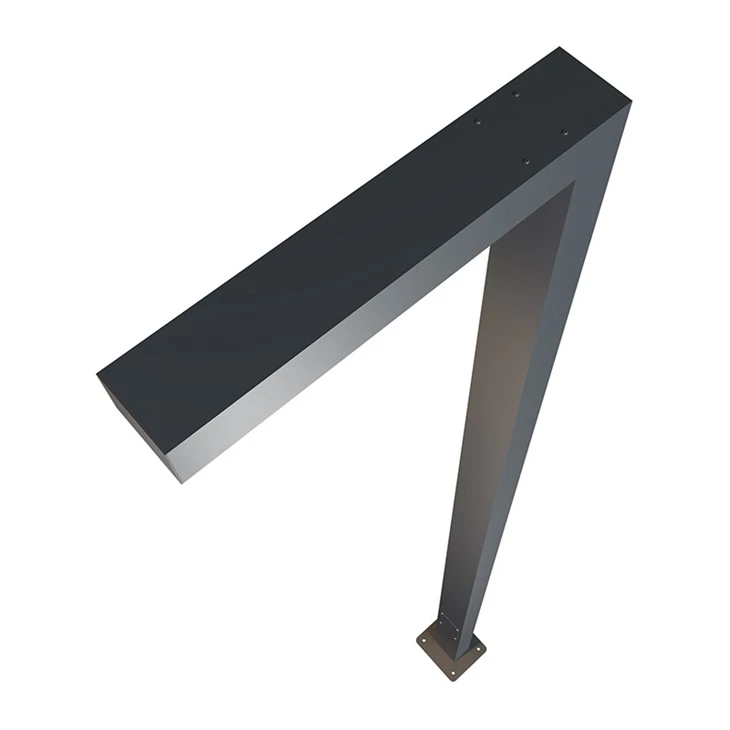
Placement Recommendations for LED Lawn Lights
Based on the above factors, here are some placement recommendations for your LED lawn lights to ensure proper charging:
Avoid Shaded Areas
While LED lawn lights can charge in indirect sunlight, it's best to place them in areas that receive as much sunlight as possible. Avoid placing them under large trees or near buildings that may cast shadows for extended periods. If you have a garden with partial shade, consider using lights with larger solar panels or higher - efficiency PV cells.
Optimize Panel Orientation
As mentioned earlier, ensure that the solar panels on your LED lawn lights are facing the correct direction and at the optimal tilt angle. You may need to adjust the position of the lights seasonally to account for changes in the sun's path.
Consider Reflective Surfaces
Placing LED lawn lights near reflective surfaces, such as white walls or light - colored stones, can increase the amount of indirect sunlight reaching the solar panel. This can help boost charging efficiency, especially in areas with limited direct sunlight.
Our Product Range
At our company, we offer a wide range of Led Garden Landscape Lamp that are designed to meet different sunlight conditions. Our Led Outdoor Walkway Lighting is perfect for illuminating pathways and driveways, even in areas with partial shade. We also have Outdoor Lights Led Ip66 that are weather - resistant and suitable for all - year - round use.
Conclusion
In conclusion, while direct sunlight is beneficial for charging solar - powered LED lawn lights, it is not essential. These lights can charge effectively in indirect sunlight, thanks to the photovoltaic effect. By understanding the factors that affect charging efficiency and following the placement recommendations, you can ensure that your LED lawn lights provide reliable illumination for your outdoor space.
If you're interested in purchasing high - quality LED lawn lights for your project, I encourage you to contact us for a detailed discussion. We can help you select the right products based on your specific sunlight conditions and lighting needs. Let's work together to create a beautiful and energy - efficient outdoor lighting solution.
References
- "Photovoltaic Systems and Applications" by John A. Duffie and William A. Beckman
- "Solar Energy Fundamentals and Modeling Techniques" by Soteris A. Kalogirou