


As a supplier of LED underground lights, I've often been asked whether our products are suitable for botanical gardens. The answer is a resounding yes! In this blog post, I'll explore the numerous benefits of using LED underground lights in a botanical garden setting, discuss the specific types of lights that are ideal, and provide some practical tips for installation and maintenance.
The Benefits of LED Underground Lights in Botanical Gardens
Energy Efficiency
One of the primary advantages of LED underground lights is their energy efficiency. LEDs consume significantly less energy than traditional lighting sources, such as incandescent or halogen bulbs. This not only reduces electricity costs but also minimizes the environmental impact of the garden's lighting system. In a large botanical garden, where lighting may be required for extended periods, the energy savings can be substantial.
Long Lifespan
LEDs have an incredibly long lifespan compared to other lighting technologies. They can last up to 50,000 hours or more, which means fewer replacements and less maintenance. In a botanical garden, where access to lighting fixtures may be difficult or require specialized equipment, the long lifespan of LED underground lights is a significant advantage.
Low Heat Emission
Unlike traditional bulbs, LEDs emit very little heat. This is important in a botanical garden, where excessive heat can damage delicate plants. The low heat emission of LED underground lights also reduces the risk of fire, making them a safer choice for outdoor lighting.
Customizable Lighting Effects
LED underground lights offer a wide range of customizable lighting effects. They can be programmed to change colors, brightness, and intensity, creating a dynamic and visually appealing display. In a botanical garden, this can be used to highlight specific plants, create mood lighting, or enhance the overall aesthetic of the garden.

Durability
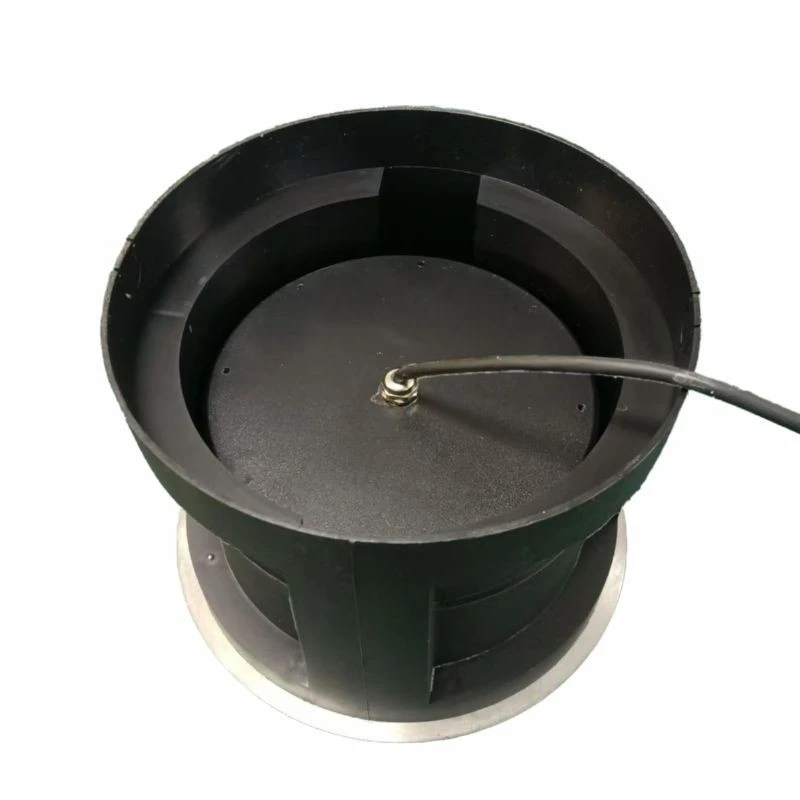
LED underground lights are designed to withstand harsh outdoor conditions. They are typically made of high-quality materials, such as stainless steel or aluminum, and are sealed to prevent water and dust ingress. This makes them suitable for use in wet or humid environments, such as botanical gardens.
Types of LED Underground Lights Suitable for Botanical Gardens
LED Inground Light (COB series)
The COB (Chip-on-Board) series of LED inground lights offers high brightness and excellent color rendering. These lights are ideal for highlighting large areas or specific plants in a botanical garden. They are available in a variety of colors and beam angles, allowing for customized lighting solutions.
LED Inground Light
The long-shaped LED inground lights are perfect for creating a linear lighting effect along pathways or borders in a botanical garden. They provide a uniform and continuous light source, enhancing safety and visibility. These lights are also available in different lengths and colors to suit the specific needs of the garden.
LED Inground Light (Non-adjustable Angle)
The non-adjustable angle LED inground lights are a cost-effective option for general lighting in a botanical garden. They are easy to install and provide a fixed beam angle, ensuring consistent lighting coverage. These lights are available in various wattages and colors, making them suitable for different applications.
Installation and Maintenance Tips
Installation
- Plan the Layout: Before installing LED underground lights, it's important to plan the layout carefully. Consider the location of plants, pathways, and other features in the garden. This will ensure that the lights are placed in the most effective positions to highlight the beauty of the garden.
- Dig the Holes: Dig holes for the LED underground lights at the planned locations. The holes should be deep enough to accommodate the lights and provide sufficient space for wiring.
- Install the Lights: Place the LED underground lights in the holes and secure them in place. Connect the wiring according to the manufacturer's instructions.
- Backfill the Holes: Once the lights are installed, backfill the holes with soil or gravel. Make sure the lights are level and flush with the ground.
Maintenance
- Regular Cleaning: To ensure optimal performance, it's important to clean the LED underground lights regularly. Use a soft cloth or brush to remove dirt, dust, and debris from the lights.
- Check the Wiring: Periodically check the wiring of the LED underground lights for any signs of damage or wear. If any issues are found, repair or replace the wiring immediately.
- Replace Bulbs: Although LED bulbs have a long lifespan, they may eventually need to be replaced. When replacing bulbs, make sure to use the same type and wattage as the original bulbs.
Conclusion
In conclusion, LED underground lights are an excellent choice for botanical gardens. They offer numerous benefits, including energy efficiency, long lifespan, low heat emission, customizable lighting effects, and durability. With the right selection of lights and proper installation and maintenance, LED underground lights can enhance the beauty and functionality of a botanical garden.
If you're interested in using LED underground lights in your botanical garden, I encourage you to contact us for more information. Our team of experts can help you choose the right lights for your specific needs and provide guidance on installation and maintenance. We look forward to working with you to create a stunning lighting display for your botanical garden.
References
- "LED Lighting for Outdoor Spaces." Lighting Research Center, Rensselaer Polytechnic Institute.
- "Benefits of LED Lighting." Energy Star.
- "How to Install LED Underground Lights." DIY Network.