


Hey there! As a supplier of Traditional Street Lights, I've had my fair share of questions from customers. One that keeps popping up is, "Do traditional street lights have a high inrush current?" Let's dig into this topic and shed some light on the matter!
First off, what exactly is inrush current? In simple terms, it's the large, momentary surge of current that a device draws when it's first turned on. It's like a big gulp of energy before the device settles into its normal operating mode. This can be an important consideration, especially for systems that need to manage power consumption effectively.
Now, let's talk about traditional street lights. These bad boys have been around for ages, and they come in a few different types. The most common ones are high-pressure sodium (HPS) and metal halide (MH) lights. Both of these types rely on gas discharge to produce light, and this is where the inrush current story gets interesting.
When you first flip the switch on a traditional street light, the inrush current can be quite high. In the case of HPS lights, for example, the inrush current can be anywhere from 2 to 3 times the normal operating current. That's a pretty significant spike! Metal halide lights can have even higher inrush currents, sometimes reaching up to 8 times the normal current.
Why do traditional street lights have such high inrush currents? Well, it all comes down to the way they work. When you turn on a gas discharge lamp, you need to create a high-voltage pulse to ionize the gas inside the lamp. This high-voltage pulse requires a large amount of current, which results in the inrush. Once the gas is ionized and the lamp starts to emit light, the current drops down to its normal operating level.
So, what are the implications of this high inrush current? For one thing, it can put a strain on the electrical system. If you have a lot of traditional street lights turned on at the same time, the combined inrush current can cause voltage dips and even trip circuit breakers. This can lead to power outages and other electrical problems.
Another issue with high inrush current is that it can reduce the lifespan of the lamp. The repeated stress of the inrush current can cause the electrodes inside the lamp to wear out more quickly, leading to premature failure. This means that you'll have to replace the lamps more often, which can be costly and time-consuming.
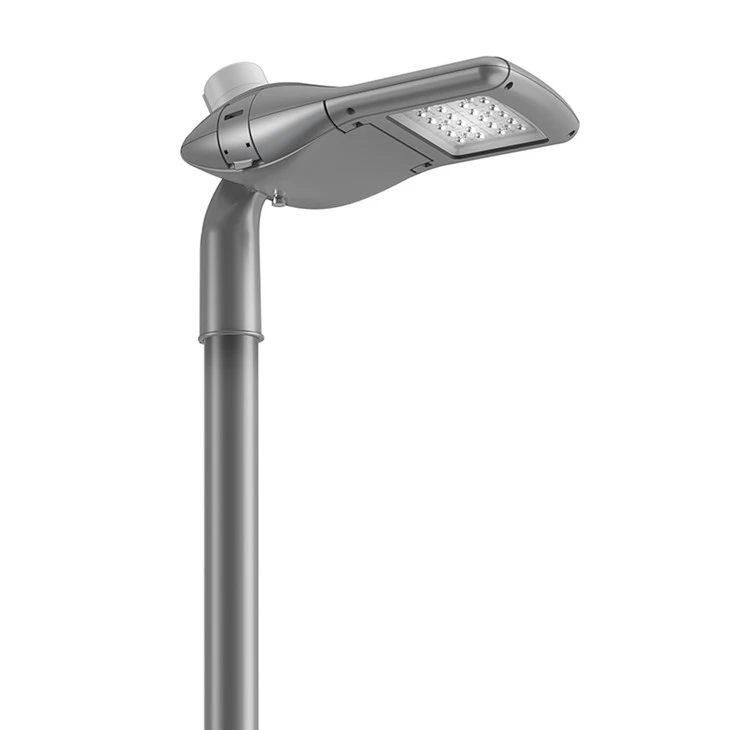

So, what's the solution? Well, one option is to use Led Module or Outdoor Waterproof Led Street Light instead of traditional street lights. LED lights have a much lower inrush current compared to gas discharge lamps. In fact, the inrush current of an LED light is usually less than 1.5 times the normal operating current. This means that they put less strain on the electrical system and have a longer lifespan.
But let's be real, traditional street lights still have their place. They're tried and true, and they're often more affordable than LED lights. Plus, they have a certain aesthetic appeal that some people really like. So, if you're still using traditional street lights, there are a few things you can do to manage the inrush current.
One option is to use a soft-start device. A soft-start device gradually increases the voltage to the lamp over a period of time, which reduces the inrush current. This can help to prevent voltage dips and extend the lifespan of the lamp. Another option is to stagger the startup times of the street lights. By turning on the lights at different times, you can spread out the inrush current and reduce the strain on the electrical system.
In conclusion, traditional street lights do have a relatively high inrush current, especially when compared to LED lights. This high inrush current can cause problems for the electrical system and reduce the lifespan of the lamps. However, there are ways to manage the inrush current, such as using soft-start devices and staggering the startup times of the lights.
If you're considering upgrading your street lighting system or just want to learn more about traditional street lights and their inrush current, I'd love to chat. Whether you're looking for a more energy-efficient solution or just need some advice on managing your existing system, I'm here to help. Reach out to us, and let's start a conversation about how we can meet your street lighting needs.
References
- "Principles of Lighting" by John M. Irvine
- "Lighting Handbook: Reference and Application" by Illuminating Engineering Society of North America