


Street light poles are essential components of urban and rural infrastructure, providing illumination for roads, sidewalks, and public spaces. As a street light pole supplier, I have witnessed firsthand the intricate process of designing these crucial structures. In this blog post, I will delve into the various aspects of street light pole design, from the initial concept to the final product.
Understanding the Requirements
The first step in designing a street light pole is to understand the specific requirements of the project. This includes factors such as the location, the type of area (residential, commercial, or industrial), the traffic volume, and the desired level of illumination. For example, a street in a busy downtown area may require taller poles with higher wattage lights to ensure adequate visibility, while a residential street may only need shorter poles with lower wattage lights.
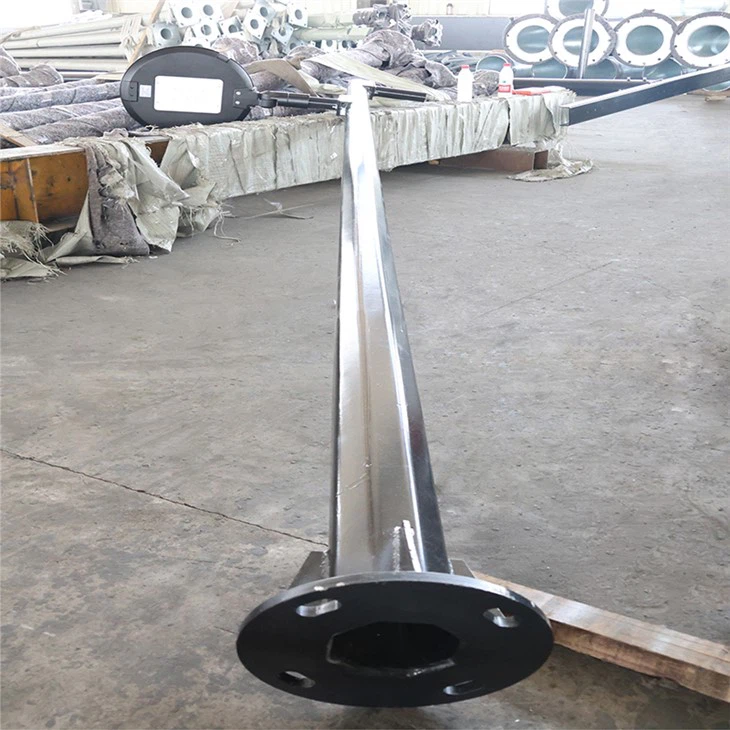

In addition to these factors, it is also important to consider the local regulations and standards. These may include requirements for pole height, material strength, and wind resistance. By understanding these requirements from the outset, we can ensure that our designs meet all necessary specifications.
Selecting the Right Materials
The choice of materials is a critical aspect of street light pole design. The most common materials used for street light poles are steel, aluminum, and fiberglass. Each material has its own advantages and disadvantages, and the selection depends on factors such as cost, durability, and aesthetic appeal.
- Steel: Steel is a popular choice for street light poles due to its strength and durability. It can withstand harsh weather conditions, including high winds and heavy snow. Steel poles are also relatively easy to manufacture and can be customized to meet specific design requirements. However, steel is prone to rusting, so it needs to be properly coated or galvanized to prevent corrosion.
- Aluminum: Aluminum is a lightweight and corrosion-resistant material, making it a good choice for areas with high humidity or near the coast. Aluminum poles are also relatively easy to install and require less maintenance than steel poles. However, aluminum is not as strong as steel, so it may not be suitable for areas with high wind loads.
- Fiberglass: Fiberglass is a composite material that offers a combination of strength, durability, and corrosion resistance. It is also lightweight and can be molded into various shapes, making it a versatile option for street light pole design. However, fiberglass is more expensive than steel and aluminum, and it may not be as widely available.
Designing the Structure
Once the materials have been selected, the next step is to design the structure of the street light pole. This includes determining the height, diameter, and thickness of the pole, as well as the shape and size of the base. The design of the pole should take into account factors such as the weight of the light fixture, the wind load, and the seismic activity in the area.
- Height: The height of the street light pole is determined by the desired level of illumination and the width of the road or area to be illuminated. Generally, taller poles are used for wider roads and areas with higher traffic volumes. For example, a 4m Double Arm Street Lamp Pole may be suitable for a residential street, while a 7m Single Arm Street Lamp Pole or a 12m Single Arm Street Lamp Pole may be required for a major road or highway.
- Diameter and Thickness: The diameter and thickness of the pole are determined by the height and the weight of the light fixture. A thicker and wider pole is generally required for taller poles and heavier light fixtures. The design should also take into account the wind load and the seismic activity in the area to ensure that the pole can withstand these forces.
- Base Design: The base of the street light pole is designed to provide stability and support. It is typically made of concrete or steel and is anchored to the ground using bolts or anchors. The size and shape of the base depend on the height and weight of the pole, as well as the soil conditions in the area.
Considering the Aesthetics
In addition to functionality, the aesthetics of street light poles are also important. Street light poles are a visible part of the urban landscape, and their design can have a significant impact on the overall appearance of an area. Therefore, it is important to consider the aesthetic requirements of the project when designing street light poles.
The design of the pole should be consistent with the surrounding architecture and landscape. This may include factors such as the color, shape, and finish of the pole. For example, in a historic district, a more traditional design may be preferred, while in a modern urban area, a sleek and contemporary design may be more appropriate.
Incorporating Lighting Technology
The design of street light poles also needs to take into account the latest lighting technology. The goal is to provide efficient and effective illumination while minimizing energy consumption and light pollution.
- LED Lighting: LED (Light Emitting Diode) lighting is the most commonly used technology for street lighting today. LED lights are energy-efficient, have a long lifespan, and provide high-quality illumination. They also offer the ability to control the light output, which can be adjusted based on the time of day or the level of traffic.
- Smart Lighting Systems: Smart lighting systems are becoming increasingly popular in street lighting applications. These systems use sensors and controls to adjust the light output based on various factors, such as the presence of pedestrians or vehicles, the time of day, and the weather conditions. This can result in significant energy savings and improved safety.
Testing and Quality Assurance
Before the street light poles are installed, they need to undergo rigorous testing to ensure that they meet all necessary standards and specifications. This includes testing for strength, durability, and wind resistance. The poles are also inspected for any defects or damage during the manufacturing process.
Quality assurance is an ongoing process that continues throughout the life of the street light pole. Regular maintenance and inspections are required to ensure that the poles remain in good condition and continue to provide reliable illumination.
Conclusion
Designing street light poles is a complex process that requires careful consideration of various factors, including the requirements of the project, the choice of materials, the structure of the pole, the aesthetics, and the lighting technology. As a street light pole supplier, we are committed to providing high-quality products that meet the needs of our customers.
If you are in the market for street light poles, we invite you to contact us to discuss your specific requirements. Our team of experts can help you select the right materials, design the perfect pole, and ensure that the installation is carried out safely and efficiently. We look forward to working with you to provide the best street lighting solutions for your project.
References
- American Society for Testing and Materials (ASTM). (2023). Standards for steel, aluminum, and fiberglass poles.
- Illuminating Engineering Society (IES). (2023). Lighting standards for streets and highways.
- National Electrical Manufacturers Association (NEMA). (2023). Standards for lighting fixtures and controls.