


Hey there! As a supplier of LED flood lights, I often get asked about the differences between flood lights and spot lights in the LED category. It's a common question, and I'm here to break it down for you in a way that's easy to understand.
What's a Flood Light?
Let's start with flood lights. Picture this: you're at a big outdoor concert, and the whole stage is lit up evenly. That's probably thanks to flood lights. LED flood lights are designed to spread light over a wide area. They're like the big, broad - brushstrokes of lighting.
These lights are super versatile. You can use them for outdoor spaces like gardens, parking lots, and building facades. Indoors, they're great for illuminating large rooms such as warehouses or exhibition halls. One of the key features of flood lights is their wide beam angle. This means they can cover a large surface area with light, making them ideal for general lighting purposes.
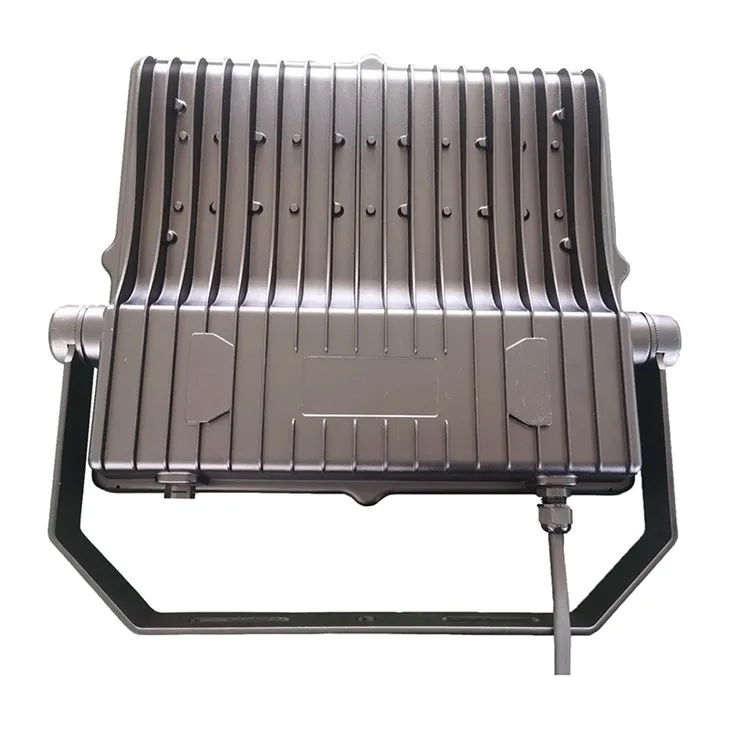
If you're looking for an adjustable option, check out our Adjustable Floodlight. It allows you to direct the light where you need it most, whether it's highlighting a particular part of your garden or lighting up a specific section of a building.
Another great thing about LED flood lights is their energy efficiency. Compared to traditional lighting options like halogen or incandescent bulbs, LED flood lights use significantly less energy while providing the same, if not more, light output. They also have a longer lifespan, which means less frequent bulb replacements and lower maintenance costs in the long run.
For outdoor use, our Waterproof Led Flood Lamp is a top - notch choice. It can withstand the elements, whether it's rain, snow, or extreme heat, ensuring reliable performance year - round.
What's a Spot Light?
Now, let's talk about spot lights. Spot lights are like the precision tools of the lighting world. They focus light into a narrow beam, creating a concentrated pool of light. Think of a spotlight on a theater stage, highlighting the lead actor. That's the kind of focused illumination spot lights provide.
Spot lights are often used for accent lighting. They're perfect for drawing attention to specific objects, like a piece of artwork in a gallery, a statue in a garden, or a display in a store. The narrow beam angle of spot lights allows you to create a dramatic effect, adding depth and dimension to your space.
In terms of design, spot lights are usually smaller and more compact than flood lights. They can be easily installed in various locations, such as recessed in ceilings or mounted on walls. LED spot lights also offer excellent color rendering, which means they can accurately reproduce the colors of the objects they illuminate. This is especially important when you're using them to showcase items like paintings or jewelry.
Key Differences
Beam Angle
The most obvious difference between flood lights and spot lights is the beam angle. Flood lights have a wide beam angle, typically ranging from 60 to 120 degrees or even wider. This wide spread of light ensures that large areas are evenly illuminated. On the other hand, spot lights have a narrow beam angle, usually between 15 and 45 degrees. This focused beam allows for precise lighting of specific objects.

Lighting Purpose
Flood lights are mainly used for general lighting. They're there to provide overall illumination to a large area, making it bright and visible. Spot lights, however, are all about accent lighting. They're used to highlight and draw attention to specific elements in a space.
Size and Installation
Flood lights are generally larger and more substantial in size. They often require more space for installation, especially if they're being used for outdoor applications. Spot lights, being smaller and more compact, are easier to install in tight spaces. They can be installed in a variety of ways, including surface - mounted, recessed, or track - mounted.
Energy Consumption
While both LED flood lights and spot lights are energy - efficient compared to traditional lighting, the energy consumption can vary depending on the wattage and usage. In general, spot lights may use less energy because they're focused on a smaller area. However, if you're using multiple spot lights to illuminate a large space, the combined energy consumption could be comparable to that of a flood light.
Choosing the Right Lighting for Your Needs
So, how do you decide whether to use a flood light or a spot light? It all depends on your specific lighting needs.
If you need to light up a large area, like an outdoor patio or a big indoor room, a flood light is the way to go. It will provide even, consistent lighting across the entire space. On the other hand, if you want to add a touch of drama and highlight specific objects, spot lights are the better choice.
You can also use a combination of both flood lights and spot lights to create a well - balanced lighting scheme. For example, you can use a flood light to provide general illumination to a room and then add spot lights to highlight key features like a fireplace or a decorative wall.
Why Choose Our LED Flood Lights?
As a supplier of LED flood lights, we take pride in offering high - quality products. Our flood lights are designed with the latest LED technology, ensuring maximum energy efficiency and long - lasting performance. We also offer a wide range of options, from adjustable flood lights to waterproof models, to meet the diverse needs of our customers.
Whether you're a homeowner looking to enhance your outdoor space or a business owner in need of reliable lighting solutions, our LED flood lights are a great choice. We're committed to providing excellent customer service and support, and we're always happy to help you find the right lighting for your project.
Let's Connect
If you're interested in learning more about our LED flood lights or have any questions about the differences between flood lights and spot lights, don't hesitate to reach out. We'd love to have a chat with you and discuss your lighting needs. Whether you're just starting to plan a lighting project or are ready to make a purchase, we're here to assist you every step of the way.
References
- "LED Lighting Handbook" by Lighting Research Center
- Various industry reports on LED lighting technology and trends