


As a seasoned supplier of high mast lighting poles, I've witnessed firsthand the diverse needs and preferences of clients when it comes to these essential structures. One of the most frequently asked questions revolves around the price differences between high mast lighting poles made from different materials. In this blog, I'll delve into the various materials used in high mast lighting poles, explore the factors contributing to their price variations, and provide insights to help you make an informed decision for your lighting projects.
Common Materials for High Mast Lighting Poles
Steel
Steel is the most widely used material for high mast lighting poles due to its strength, durability, and cost - effectiveness. It can withstand harsh weather conditions, including strong winds, heavy snow, and extreme temperatures. Steel poles are typically fabricated through processes such as hot - rolling or cold - forming, which result in poles with consistent quality and reliable performance.
There are different grades of steel available, with varying levels of carbon content and alloying elements. For example, low - carbon steel is more malleable and easier to weld, while high - strength low - alloy (HSLA) steel offers superior strength and corrosion resistance. The price of steel poles can vary depending on the grade of steel used, the thickness of the pole wall, and the manufacturing process.
On average, steel high mast lighting poles are relatively affordable compared to some other materials. However, the cost can increase if additional treatments, such as galvanization or powder coating, are applied to enhance corrosion resistance. Galvanization involves coating the steel with a layer of zinc, which provides a sacrificial barrier against rust. Powder coating, on the other hand, offers a more aesthetically pleasing finish and can also provide some protection against corrosion.
You can check out our 18m High Mast Lighting Pole for an example of a steel high mast lighting pole that combines quality and affordability.
Aluminum
Aluminum is another popular choice for high mast lighting poles, especially in applications where weight is a concern. Aluminum poles are significantly lighter than steel poles, which makes them easier to transport and install. This can result in lower installation costs, especially in remote or hard - to - reach locations.
Aluminum has excellent corrosion resistance, thanks to its natural oxide layer that forms on the surface when exposed to air. This oxide layer acts as a protective barrier, preventing further corrosion. However, in some aggressive environments, additional protective coatings may still be required.
The price of aluminum high mast lighting poles is generally higher than that of steel poles. The cost of aluminum raw materials is relatively high, and the manufacturing processes for aluminum poles can be more complex. Additionally, the specialized equipment and techniques required for working with aluminum contribute to the overall cost. Despite the higher price, the long - term benefits of using aluminum, such as reduced maintenance and longer service life, can make it a cost - effective option in certain situations.
Fiberglass
Fiberglass high mast lighting poles are a relatively new entrant in the market. They are made by combining glass fibers with a resin matrix, resulting in a lightweight and highly durable material. Fiberglass poles have excellent electrical insulation properties, which make them suitable for areas where there is a risk of electrical interference or in applications where safety is a major concern.
Fiberglass poles are also resistant to corrosion, rot, and UV radiation. They can withstand a wide range of environmental conditions without significant degradation. However, the manufacturing process for fiberglass poles is labor - intensive and requires specialized equipment. This, along with the cost of raw materials, makes fiberglass high mast lighting poles the most expensive option among the three materials discussed.
Factors Affecting the Price of High Mast Lighting Poles
Material Quality
As mentioned earlier, the quality of the raw material has a significant impact on the price of high mast lighting poles. Higher - grade steel or aluminum with better mechanical properties and corrosion resistance will naturally cost more. Similarly, the quality of the resin and glass fibers used in fiberglass poles can vary, affecting the overall price.
Pole Height and Diameter
The height and diameter of the high mast lighting pole are important factors in determining its price. Taller and wider poles require more material and more complex manufacturing processes. For example, a 30 - meter high mast lighting pole will cost more than an 18 - meter pole, as it needs to be designed to withstand greater wind loads and support more lighting fixtures.
Manufacturing Process
The manufacturing process used to produce the high mast lighting pole can also influence its price. For steel poles, hot - rolling is a more energy - intensive process compared to cold - forming, which may result in a higher cost. Similarly, the precision and complexity of the manufacturing process for aluminum and fiberglass poles can affect their price.
Surface Treatment
Surface treatments such as galvanization, powder coating, or painting are essential for protecting the high mast lighting pole from corrosion and enhancing its appearance. These treatments add to the overall cost of the pole. The type and quality of the surface treatment can vary, with more advanced and durable treatments generally being more expensive.
Quantity Ordered
The quantity of high mast lighting poles ordered can also have an impact on the price. Bulk orders usually result in lower unit costs, as suppliers can take advantage of economies of scale in production, transportation, and packaging.
Cost - Benefit Analysis
When choosing a high mast lighting pole material, it's important to conduct a cost - benefit analysis. While steel poles are generally the most affordable option upfront, they may require more maintenance over time, especially in corrosive environments. Aluminum poles, although more expensive initially, offer long - term savings due to their low maintenance requirements and longer service life. Fiberglass poles, despite their high cost, provide unique properties such as electrical insulation and excellent corrosion resistance, which may be crucial in certain applications.
For large - scale lighting projects, it's advisable to consider the total cost of ownership over the lifespan of the poles, including the initial purchase price, installation costs, maintenance costs, and replacement costs.
Conclusion
In conclusion, the price difference between different materials of high mast lighting poles is influenced by a variety of factors, including material quality, pole dimensions, manufacturing processes, surface treatments, and order quantity. As a supplier, I understand that each client has unique requirements and budget constraints. Whether you're looking for an affordable steel pole, a lightweight aluminum option, or a high - performance fiberglass pole, we can provide you with the right solution.
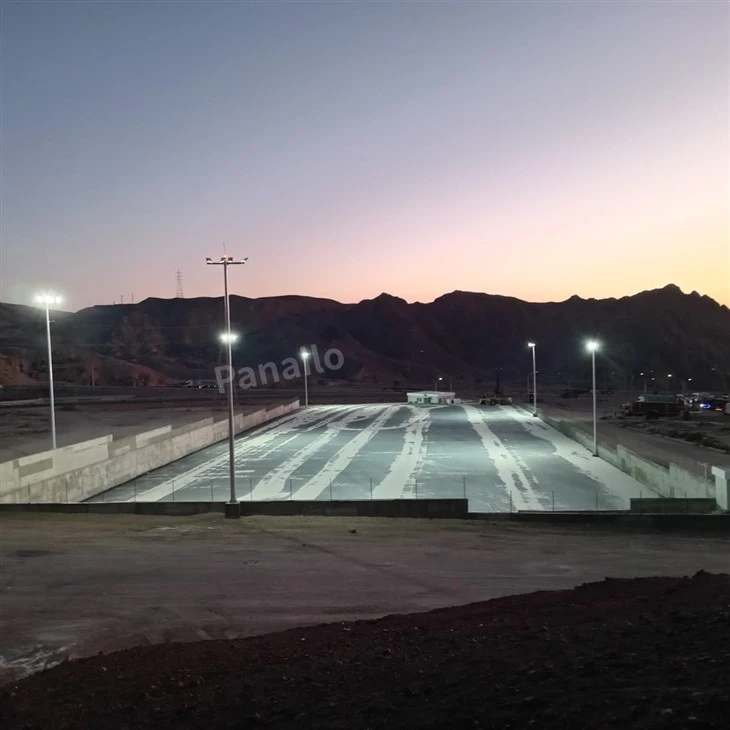

If you're interested in our High Mast Flood Light Poles or any other high mast lighting products, I encourage you to reach out to us for a detailed quote and to discuss your project requirements. Our team of experts is ready to assist you in making the best choice for your lighting needs.
References
- "Handbook of Structural Steel Design"
- "Aluminum Alloys: Structure and Properties"
- "Fiberglass Reinforced Plastics: Materials, Manufacturing, and Applications"