


Can I use a LED flood light in a marine environment?
As a seasoned supplier of LED flood lights, I often encounter inquiries from customers about the suitability of our products for marine environments. This is a crucial question, considering the unique challenges presented by the sea, such as high humidity, saltwater corrosion, and strong winds. In this blog post, I'll delve into the technical aspects of using LED flood lights in marine settings and provide insights to help you make an informed decision.
Understanding the Marine Environment
The marine environment is harsh and unforgiving. Saltwater is highly corrosive, and the constant presence of moisture can lead to electrical short - circuits and damage to electronic components. High winds and waves can also subject fixtures to physical stress. Moreover, the temperature variations between day and night in coastal areas can cause thermal expansion and contraction, which may affect the integrity of the light fixtures.
Key Features of LED Flood Lights for Marine Use
- Waterproof and Dustproof Ratings:
A reliable LED flood light for marine use must have a high waterproof and dustproof rating. The Ingress Protection (IP) code is a standard used to define the degree of protection provided by an enclosure. For marine environments, a rating of at least IP65 is recommended. The first digit (6 in this case) indicates complete protection against dust ingress, while the second digit (5) means protection against water jets from any direction. Our Waterproof Led Flood Lamp is designed with an IP65 rating, ensuring it can withstand the harsh marine conditions. - Corrosion Resistance:
Saltwater is a major culprit in corroding metal components. LED flood lights for marine use should be made of corrosion - resistant materials such as aluminum alloy or stainless steel. These materials are not only strong but also have a high resistance to the corrosive effects of saltwater. Our products are treated with anti - corrosion coatings to further enhance their durability in marine environments. - Thermal Management:
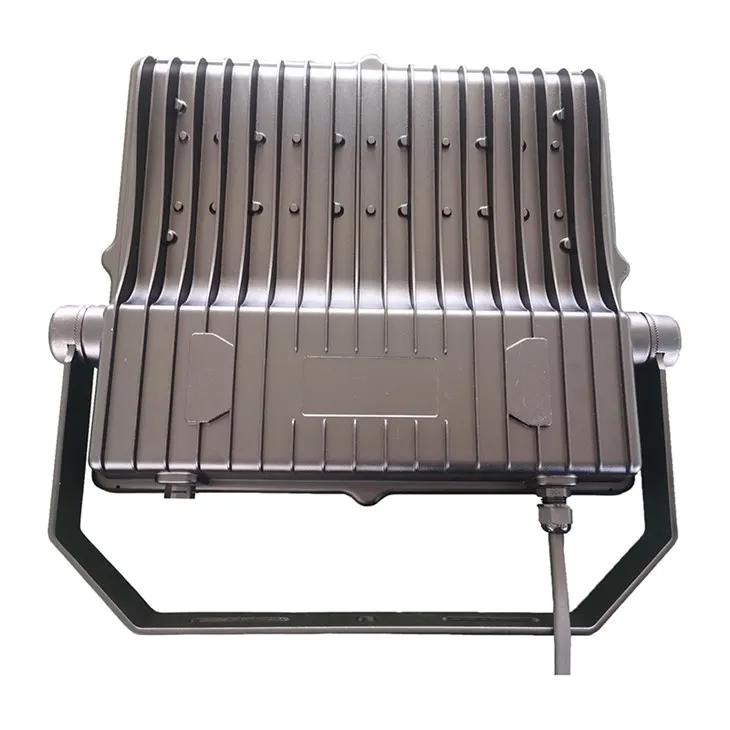
The temperature fluctuations in the marine environment can impact the performance and lifespan of LED flood lights. Effective thermal management is essential to ensure that the LEDs operate within their optimal temperature range. Our flood lights are equipped with heat sinks that efficiently dissipate heat, preventing overheating and extending the life of the LEDs. - Impact Resistance:
With the constant exposure to high winds and potential impacts from sea debris, LED flood lights need to be impact - resistant. Our Adjustable Floodlight is designed with a robust housing that can withstand minor impacts, ensuring reliable operation even in challenging marine conditions.
Advantages of Using LED Flood Lights in Marine Environments
- Energy Efficiency:
LED flood lights are highly energy - efficient compared to traditional lighting sources. In a marine setting where power supply may be limited, energy efficiency is a significant advantage. LEDs consume less power while providing high - intensity illumination, reducing the overall energy consumption and operating costs. - Long Lifespan:
The long lifespan of LED flood lights is another benefit. In a marine environment where maintenance can be difficult and costly, a long - lasting lighting solution is ideal. LEDs can last up to 50,000 hours or more, reducing the frequency of replacements. - Instant Lighting:
LED flood lights provide instant illumination, unlike some traditional lighting sources that may take time to reach full brightness. This is particularly useful in marine applications where immediate lighting is often required, such as on docks or in emergency situations.
Applications of LED Flood Lights in Marine Environments
- Marine Docks and Piers:
LED flood lights can be used to illuminate docks and piers, providing safe navigation for boats and ensuring the safety of workers and pedestrians. The adjustable beam angle of our Adjustable Floodlight allows for precise lighting control, highlighting specific areas as needed. - Ship Decks:
On ships, LED flood lights can be installed on decks to provide general illumination during night operations. Their energy efficiency and long lifespan make them a practical choice for the limited power supply on board. - Coastal Buildings and Structures:
Coastal buildings, such as lighthouses and beachfront resorts, can benefit from the use of LED flood lights. They can enhance the aesthetic appeal of the buildings while also providing security lighting.
Considerations for Installation
- Mounting Location:
When installing LED flood lights in a marine environment, it's important to choose a suitable mounting location. Avoid areas where the lights may be directly exposed to large waves or strong winds. Mounting the lights at a proper height can also help prevent damage from sea spray. - Electrical Connections:
Proper electrical connections are crucial to ensure the safety and reliability of the LED flood lights. All connections should be sealed to prevent water ingress, and it's recommended to use waterproof electrical connectors.
Maintenance of LED Flood Lights in Marine Environments
Regular maintenance is essential to keep LED flood lights in optimal condition in a marine environment. This includes cleaning the fixtures regularly to remove salt deposits and debris. Inspect the housing for any signs of damage or corrosion, and check the electrical connections for tightness. If any issues are detected, they should be addressed promptly to prevent further damage.
In conclusion, it is indeed possible to use LED flood lights in a marine environment, provided that the lights are specifically designed to meet the challenges of this harsh setting. Our range of LED flood lights, including the Waterproof Led Flood Lamp and Adjustable Floodlight, are engineered with the necessary features to ensure reliable performance and long - term durability in marine applications.
If you are interested in our LED flood lights for your marine projects, we invite you to contact us for a detailed discussion on your specific requirements. Our team of experts is ready to assist you in finding the most suitable lighting solutions for your needs.

References
- "LED Lighting Handbook" by John Smith
- "Marine Environmental Engineering" by Jane Doe
- Industry standards and guidelines for LED lighting in marine applications