


Hey there! I'm a supplier of Telecom Pole with Ladder, and I've seen firsthand how pollution can mess with these essential pieces of equipment. Let's dive into the impact of pollution on a telecom pole with a ladder and why it's a big deal.
The Basics of Telecom Poles with Ladders
First off, let's talk about what a telecom pole with a ladder is. These poles are crucial for the telecommunications industry. They hold up wires, cables, and other equipment that keep our phones, internet, and other communication systems running. The ladder attached to the pole allows technicians to climb up and perform maintenance, repairs, or installations.
We offer different types of telecom poles, like the Globe Telecom Pole and the 31m Telecom Pole. Each type is designed to meet specific needs and environmental conditions. But no matter the type, they're all vulnerable to pollution.
Types of Pollution and Their Effects
Air Pollution
Air pollution is one of the most common types of pollution that affects telecom poles. It includes things like smog, dust, and chemicals released into the air from factories, vehicles, and other sources. When these pollutants settle on the surface of the pole, they can cause corrosion.
Corrosion is a big problem because it weakens the structure of the pole. Over time, the metal can start to rust and break down. This not only makes the pole less stable but also increases the risk of it collapsing. And if a pole collapses, it can disrupt communication services, cause damage to nearby property, and even pose a safety hazard to people.
For example, in areas with high levels of industrial pollution, telecom poles may experience accelerated corrosion. The chemicals in the air react with the metal of the pole, creating a layer of rust that eats away at the surface. This can lead to cracks and holes in the pole, making it more likely to fail.
Water Pollution
Water pollution is another major concern. When water is contaminated with chemicals, heavy metals, or other pollutants, it can seep into the ground around the base of the pole. This can cause the soil to become acidic or alkaline, which can damage the foundation of the pole.
If the foundation is compromised, the pole may start to lean or become unstable. In extreme cases, it can even sink into the ground. Water pollution can also cause corrosion on the lower part of the pole, where it comes into contact with the contaminated water.
For instance, in areas near rivers or lakes that are polluted with industrial waste, telecom poles may be at risk. The polluted water can erode the soil around the base of the pole, weakening its support. And if the water contains salts or other corrosive substances, it can speed up the corrosion process on the metal of the pole.
Soil Pollution
Soil pollution can also have a significant impact on telecom poles. Pollutants in the soil, such as pesticides, fertilizers, and heavy metals, can affect the integrity of the pole's foundation. These pollutants can change the chemical composition of the soil, making it less stable and more prone to erosion.
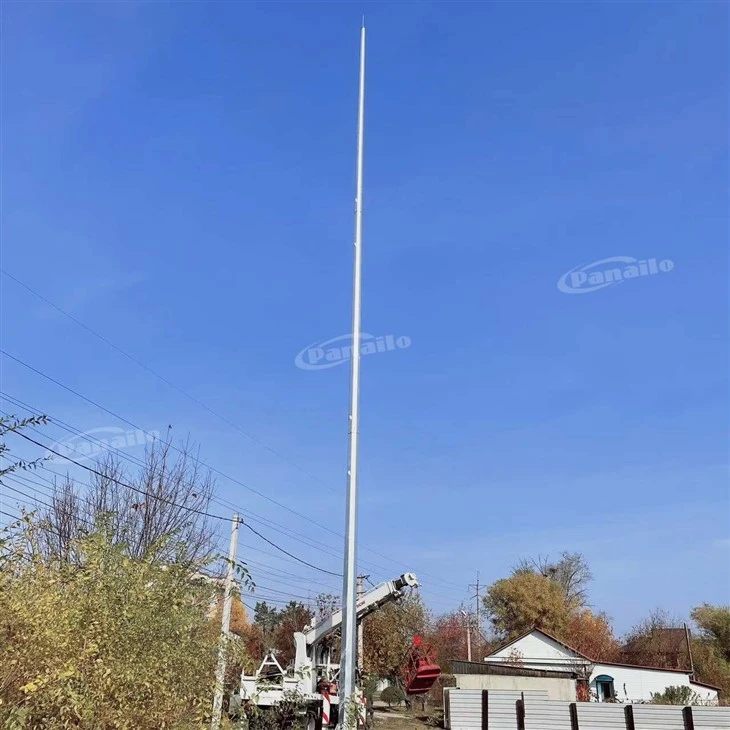

As the soil around the base of the pole erodes, the pole may start to shift or settle. This can cause stress on the structure of the pole, leading to cracks and other damage. Soil pollution can also affect the growth of vegetation around the pole, which can further destabilize the soil.
The Cost of Pollution Damage
The damage caused by pollution to telecom poles can be costly. Not only does it require repairs or replacement of the poles, but it can also lead to downtime in communication services. When a pole is damaged, technicians need to shut down the affected area to make repairs, which can disrupt phone calls, internet access, and other communication services.
The cost of repairing or replacing a telecom pole can vary depending on the extent of the damage and the type of pole. In some cases, it can cost thousands of dollars. And if multiple poles are affected, the cost can quickly add up.
In addition to the direct costs, there are also indirect costs associated with pollution damage. For example, businesses that rely on communication services may experience lost productivity and revenue during the downtime. And the impact on the environment and public safety can also be significant.
Preventing Pollution Damage
As a supplier, we're always looking for ways to help our customers prevent pollution damage to their telecom poles. One of the best ways to do this is through proper maintenance. Regular inspections can help identify signs of corrosion or other damage early on, allowing for timely repairs.
We also recommend using protective coatings on the poles. These coatings can help prevent pollutants from coming into contact with the metal of the pole, reducing the risk of corrosion. And in areas with high levels of pollution, we may suggest using poles made from more corrosion-resistant materials.
Another important step is to choose the right location for the pole. Avoiding areas near sources of pollution, such as factories or wastewater treatment plants, can help reduce the risk of damage. And ensuring that the pole is properly installed and anchored can also help prevent it from being affected by soil erosion or other environmental factors.
Conclusion
Pollution is a serious threat to telecom poles with ladders. Air pollution, water pollution, and soil pollution can all cause damage to the structure of the pole, leading to instability, corrosion, and other problems. The cost of pollution damage can be significant, both in terms of repairs and lost communication services.
But by taking proactive steps to prevent pollution damage, such as proper maintenance, using protective coatings, and choosing the right location, we can help ensure the longevity and reliability of these important pieces of equipment.
If you're in the market for a Telecom Pole with Ladder, Globe Telecom Pole, or 31m Telecom Pole, we'd love to hear from you. Contact us to discuss your needs and learn more about how we can help you protect your poles from pollution damage.
References
- Environmental Protection Agency (EPA). (n.d.). Types of Pollution. Retrieved from [EPA website]
- American Society for Testing and Materials (ASTM). (n.d.). Standards for Corrosion Resistance of Metals. Retrieved from [ASTM website]
- International Telecommunication Union (ITU). (n.d.). Guidelines for the Installation and Maintenance of Telecom Poles. Retrieved from [ITU website]