


Hey there! I'm a supplier of Globe Telecom Pole, and today I want to chat about how these poles handle network upgrades. It's a topic that's super relevant in our fast - paced digital world, where the demand for better and faster networks is constantly on the rise.
Understanding the Basics of Globe Telecom Poles
First off, let's talk a bit about what Globe Telecom Poles are. These poles are the backbone of the telecom infrastructure. They're designed to support various network equipment like antennas, cables, and other communication devices. They come in different shapes, sizes, and configurations to meet the diverse needs of the telecom industry.
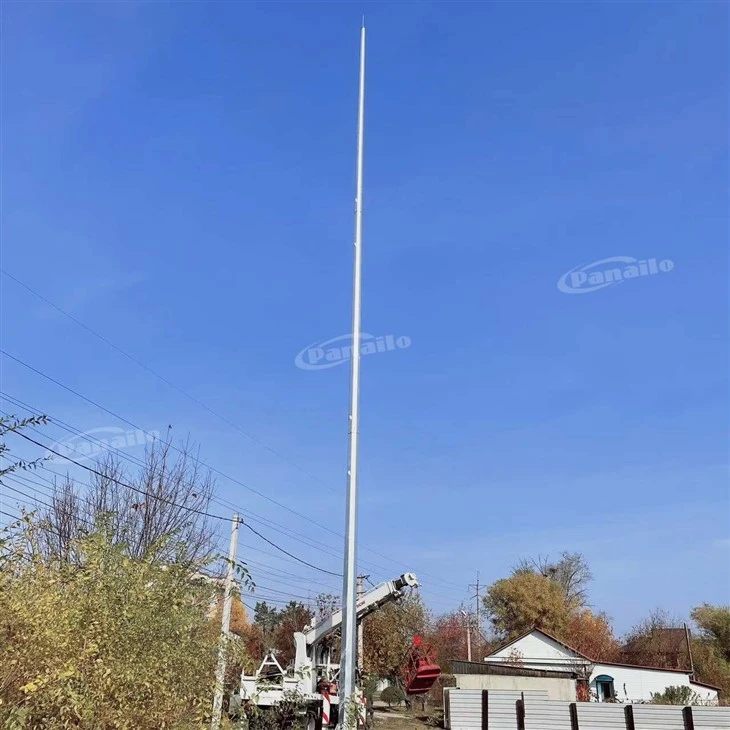
For instance, the 31m Telecom Pole is a popular choice for areas where a high - reach installation is required. It can provide a wider coverage area for the network, which is crucial for serving large communities or areas with complex terrain. On the other hand, the Telecom Pole with Ladder is great for easy maintenance and access to the equipment installed on the pole. It allows technicians to climb up safely and make necessary adjustments or repairs.
Pre - Upgrade Assessment
Before any network upgrade can take place, a thorough assessment of the existing poles is essential. We need to check the structural integrity of the poles. Over time, factors like weather conditions, corrosion, and physical damage can weaken the poles. We use advanced inspection techniques to detect any signs of wear and tear.
For example, we might use non - destructive testing methods to check for internal cracks or corrosion that aren't visible to the naked eye. If a pole shows signs of significant damage, it might need to be replaced before the upgrade. This is because a weak pole can't support the additional weight and stress that comes with new network equipment.
We also need to evaluate the current load capacity of the poles. Network upgrades often involve adding new antennas, routers, or other devices. These new components can increase the weight on the pole, so we need to make sure the pole can handle the extra load. If the load capacity is close to its limit, we might need to reinforce the pole or choose a different location for the new equipment.
Compatibility with New Network Technologies
One of the key challenges in network upgrades is ensuring that the poles are compatible with the new technologies. As the telecom industry evolves, new standards and frequencies are introduced. For example, the transition from 4G to 5G networks requires different types of antennas and equipment.
Globe Telecom Poles are designed to be flexible and adaptable. They can accommodate a wide range of equipment, thanks to their modular design. This means that when a network upgrade is planned, we can easily install the new devices on the existing poles without major modifications. However, in some cases, we might need to make minor adjustments to the pole's mounting brackets or other fixtures to ensure a proper fit.
We also need to consider the electromagnetic compatibility (EMC) of the poles. New network technologies operate at different frequencies, and the poles need to be designed in a way that doesn't interfere with the signal transmission. Our poles are engineered to minimize electromagnetic interference, which helps to ensure a stable and reliable network connection.
Installation of New Equipment
Once the pre - upgrade assessment is complete and we've determined that the poles are suitable for the upgrade, it's time to install the new equipment. This process requires careful planning and coordination.
First, we need to ensure that the new equipment is properly aligned and secured on the pole. Incorrect installation can lead to signal degradation or even damage to the equipment. Our installation teams are highly trained and experienced in handling different types of telecom equipment. They follow strict safety protocols to ensure that the installation is carried out without any accidents.
During the installation, we also need to make sure that the cables are properly routed and connected. Loose or poorly connected cables can cause signal loss or interference. We use high - quality cables and connectors to ensure a reliable connection. After the installation is complete, we conduct a series of tests to verify that the new equipment is working correctly and that the network is performing as expected.
Post - Upgrade Monitoring and Maintenance
The work doesn't end with the installation of the new equipment. After the network upgrade, we need to monitor the performance of the poles and the network closely. This helps us to identify any potential issues early on and take corrective actions.
We use remote monitoring systems to collect data on the pole's condition, such as temperature, vibration, and load. This data can provide valuable insights into the pole's performance and help us detect any signs of problems. For example, an increase in vibration might indicate a loose connection or a structural issue with the pole.
Regular maintenance is also crucial to ensure the long - term reliability of the poles and the network. We schedule routine inspections and maintenance tasks, such as checking for corrosion, tightening bolts, and replacing worn - out parts. By taking proactive measures, we can prevent major problems from occurring and extend the lifespan of the poles.

Cost - Effectiveness of Using Globe Telecom Poles for Upgrades
Using Globe Telecom Poles for network upgrades is a cost - effective solution. Since these poles are designed to be adaptable, we can often reuse the existing poles instead of installing new ones. This saves a significant amount of money on materials and installation costs.
In addition, the modular design of the poles allows for easy installation and replacement of equipment. This reduces the labor costs associated with the upgrade. The long - term durability of the poles also means that we don't have to worry about frequent replacements, which further reduces the overall cost of the network infrastructure.
Conclusion
In conclusion, Globe Telecom Poles play a vital role in handling network upgrades. Their flexibility, compatibility, and durability make them an ideal choice for the telecom industry. From pre - upgrade assessment to post - upgrade monitoring, these poles are designed to support the ever - evolving network technologies.
If you're in the telecom business and looking for a reliable solution for your network upgrades, I'd love to have a chat with you. Whether you need a 31m Telecom Pole for high - reach installations or a Telecom Pole with Ladder for easy maintenance, we've got you covered. Let's work together to build a better and more reliable network infrastructure.
References
- Industry reports on telecom infrastructure upgrades
- Technical specifications of Globe Telecom Poles
- Case studies on successful network upgrades using Globe Telecom Poles